From eMac to Neo: Twenty Years in the Apple Ecosystem
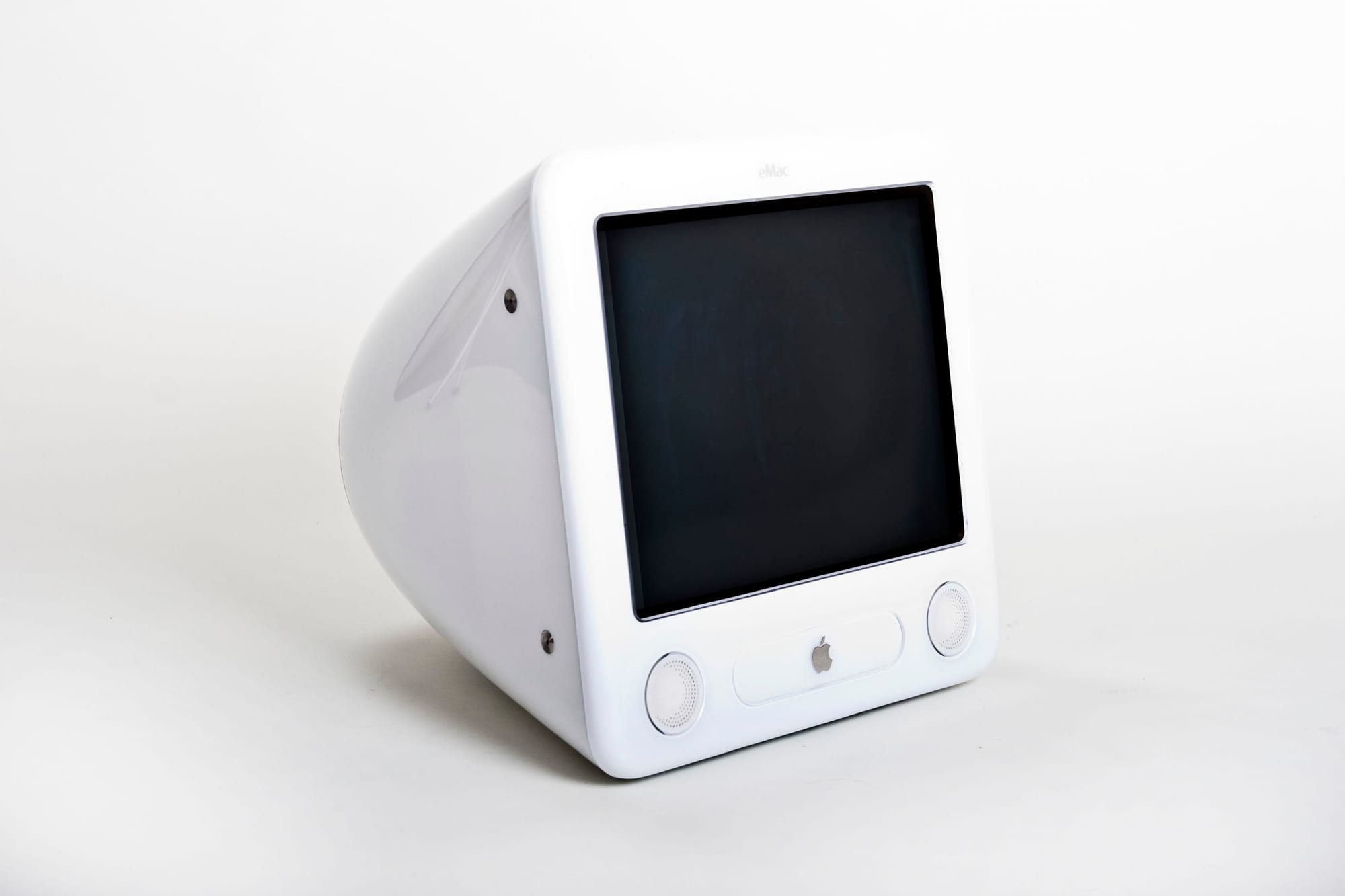
On October 10, 2005, I bought my first Apple computer. It was an eMac.
I had wanted an Apple computer ever since OS X launched, but I simply couldn't afford one. The eMac changed that. It was the entry-level Mac, the one Apple made for people like me who wanted in but couldn't justify the price of admission.
The 2005 eMac had a single-core 1.42 GHz G4 PowerPC processor, replacing my dual-core 3 GHz Intel Celeron-based PC. I loved it. I bragged to others that while being a quarter of the processing power of my previous PC, it operated at twice the speed thanks to the OS. I was probably a little biased. But I was just happy to own an entry-level premium product from a premium hardware brand.
Twenty years and change later, Apple has done it again.
On the eve of the company's 50th anniversary, Apple introduced the MacBook Neo, a $599 laptop powered by an iPhone chip, built from the ground up to be the Mac for everyone who's been priced out of owning one. It is likely to become the default computer for most people considering a Mac. Powerful enough to get the job done at a reasonable cost. It's the kind of product Apple hasn't really attempted since... well, since the eMac.
But the way Apple announced the Neo was just as interesting as the product itself.
There was no Apple Park livestream. No slickly produced video keynote. Apple instead opted for a series of "Apple Experience" media events in New York, London, and Shanghai. And the most important experience, the one in New York where the Neo was unveiled, was led not by Tim Cook, but by Apple SVP John Ternus.
To be clear, Cook wasn't completely absent. He teased "a big week ahead" on social media and posted a wrap-up after announcements wrapped. But he deliberately stepped back from the spotlight. He wasn't presenting. He wasn't doing the press circuit. Ternus was.
That feels intentional to me.
Apple quietly expanded Ternus's role at the end of 2025 to include oversight of the company's design teams, a major signal. At 50, he's the youngest member of Apple's executive team and already oversees the product lines that generate most of Apple's hardware revenue. Putting him front and center for the Neo launch looks a lot like a soft introduction of a future CEO. Keep the fanfare low. Let John become a known entity. And when the time comes to make a formal announcement, investors aren't rattled by an unfamiliar face.
And the Neo is exactly the kind of product you'd want your future CEO associated with.
Apple now makes about 25% of their revenue from services. Apple loves to spotlight Apple TV+, but in reality, a huge chunk of that money comes from in-app fees, people playing the latest variation of Candy Crush. The Neo gets more consumers into the ecosystem at a price point that competes with Chromebooks and budget Windows laptops. Once they're in, Apple profits from them for as long as they stay.
I don't think it's an accident that they had the hardware guy launch a product designed to be a services engine. It's a signal to investors that says: "We're going to make some changes around here, but we're still going to make a whole lot of money."
Twenty years ago, I bought an eMac because it was the only Mac I could afford. It made me a customer for life. I've owned a Mac every year since. Apple is betting the Neo will do the same thing for a whole new generation of people, and honestly? They're probably right.